
From First Teeth to Restorations: A Lifetime of Dental Health
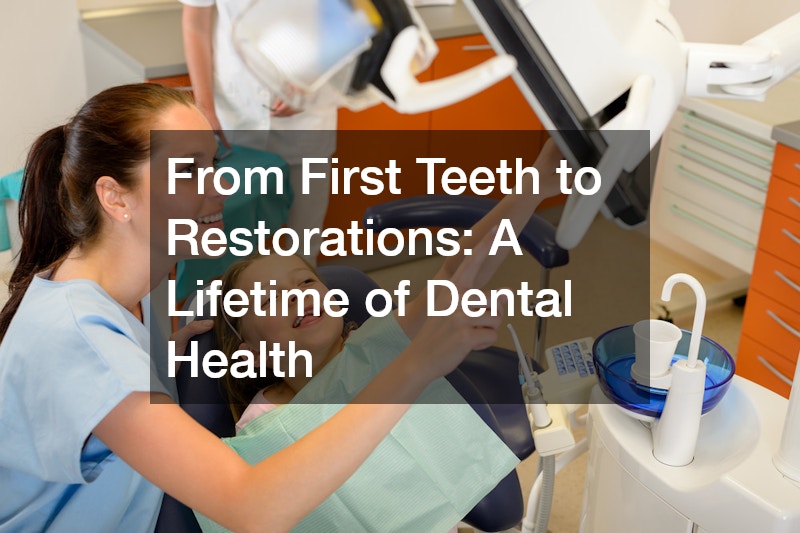
The human mouth is a gateway to the rest of the body, a complex ecosystem that undergoes remarkable transformations from the moment a primary tooth pierces the gumline to the later years of life. Maintaining oral health is not a destination but a continuous journey—one that requires different strategies, tools, and professional guidance at every milestone. When we view our dental care through the lens of a lifetime, we move away from reactive “patchwork” dentistry and toward a proactive philosophy of wellness. This approach ensures that our smiles remain functional, beautiful, and pain-free for eighty or ninety years, rather than just a few decades.
Establishing Foundations in Early Childhood
The journey begins much earlier than most parents realize. Oral health starts before the first tooth even appears, as the bacteria that cause decay can begin to colonize a child’s mouth early on. Once those first “milk teeth” arrive, they serve as critical placeholders for the permanent teeth that will follow. If primary teeth are lost too early due to decay, the adult teeth may emerge crowded or misaligned, leading to more complex issues later in life.
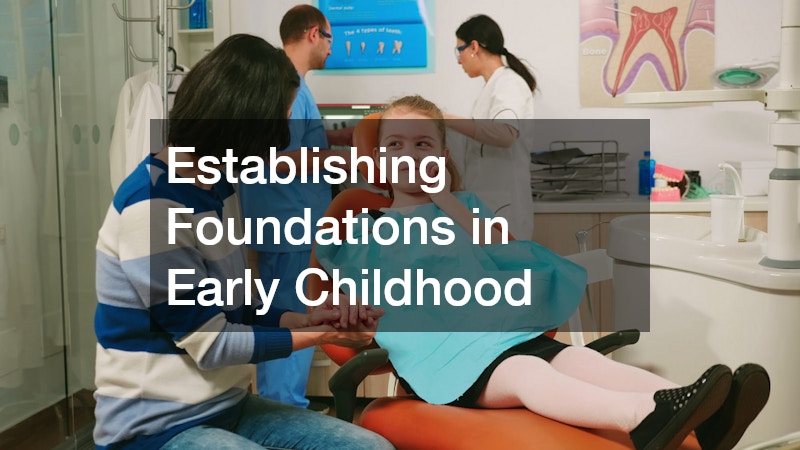
During these formative years, the primary goal is to create a positive association with healthcare. A pediatric dentist specializes in the unique emotional and physiological needs of young children, ensuring that the office environment feels safe rather than clinical. These early visits focus on monitoring jaw growth, checking for tongue-ties that might affect speech or feeding, and educating parents on the nuances of “baby bottle tooth decay.” It is during this stage that the habits of a lifetime are etched into a child’s routine.
In addition to professional cleanings, the focus on preventive dentistry cannot be overstated. This involves the application of dental sealants—thin, protective coatings painted onto the chewing surfaces of the back teeth—to block out food and germs. It also includes professional fluoride treatments that strengthen the developing enamel. By prioritizing these early interventions, families can avoid the traumatic experience of childhood cavities and set the stage for a permanent smile that is structurally sound.
- Tip: Start wiping your baby’s gums with a soft, damp cloth after feedings, even before teeth appear.
- Tip: Transition from a bottle to a “sippy cup” by the first birthday to prevent prolonged sugar exposure.
- Tip: Use a smear of fluoride toothpaste (the size of a grain of rice) as soon as the first tooth erupts.
Navigating the Adolescent Transition
As children move into their teenage years, the dental landscape shifts dramatically. The last of the primary teeth fall out, and the permanent dentition takes its place. This is a period of rapid facial growth and social development, making the alignment of the smile a top priority for both health and self-esteem. Crowded teeth are not just an aesthetic concern; they are significantly harder to clean, increasing the risk of gum disease and decay in the tight spaces between them.
For many teens, traditional braces remain the gold standard for correcting complex bite issues, such as overbites, underbites, or severe rotations. The hardware used in modern orthodontics is more efficient and comfortable than in previous generations, but it requires a high level of discipline regarding hygiene. Brackets and wires create numerous “nooks and crannies” where plaque can hide, making specialized tools like interdental brushes and water flossers essential during this stage of the journey.
For those who are self-conscious about their appearance or who have less severe alignment needs, Invisalign offers a more discreet alternative. These clear, removable aligners allow teenagers to straighten their teeth without the dietary restrictions or “metal mouth” look of traditional appliances. However, success with clear aligners depends entirely on compliance; they must be worn for at least twenty-two hours a day. Regardless of the method chosen, the goal of this phase is to create a functional, harmonious bite that will serve the individual for the rest of their life.
- Actionable Advice: If your teen plays contact sports, invest in a custom-fitted mouthguard to prevent fractured teeth.
- Actionable Advice: Monitor “wisdom teeth” (third molars) through digital imaging in the mid-to-late teens to check for impaction.
- Actionable Advice: Limit acidic “energy drinks” and sodas, which can erode enamel much faster during orthodontic treatment.

Maintaining Stability in Adulthood
Once the permanent smile is fully established, the focus of the dental journey shifts toward maintenance and the prevention of “creeping” issues like gingivitis and enamel erosion. Adulthood brings its own set of challenges: increased stress levels can lead to jaw clenching (bruxism), and a busy lifestyle can sometimes lead to shortcuts in daily hygiene routines. This is the era where the relationship with a family dentist becomes the cornerstone of your health. Regular checkups every six months allow for the early detection of issues that might not be causing pain yet, such as small fractures or leaking old fillings.
A general dentist acts as the primary care provider for your mouth, coordinating care and keeping a meticulous history of your oral health. They are the first line of defense against oral cancer, performing screenings at every exam that can literally be life-saving. In adulthood, we also see the cumulative effects of our habits. If someone has a history of heavy coffee consumption or smoking, the stains and damage begin to manifest more clearly. Consistent professional cleanings are necessary to remove tartar (calculus) that cannot be brushed away at home, protecting the bone and ligaments that hold the teeth in place.
- Routine Check: Replace your toothbrush or electric brush head every three months or after being sick.
- Stress Management: If you wake up with a sore jaw or headache, ask about a custom night guard to prevent grinding.
- Systemic Link: Keep your dental professional informed about new medications, as many cause dry mouth, which rapidly increases the risk of cavities.
The Art of Aesthetic Enhancement
There often comes a point in the adult journey where the goal moves beyond “healthy” and toward “ideal.” For many, the smile they were born with—or the one that has aged over time—doesn’t match the way they feel inside. This is where the artistry of a cosmetic dentist comes into play. Modern aesthetic dentistry is not just about vanity; it is about restoring the proportions of the face and providing a boost in confidence that can impact professional and personal interactions.
One of the most transformative tools in the aesthetic arsenal is the use of veneers. These thin, custom-made shells of tooth-colored porcelain or composite resin are bonded to the front surface of the teeth to improve their appearance. They can correct a wide range of issues, from permanent staining that whitening cannot fix to minor chips, gaps, or slightly crooked teeth. Because porcelain mimics the light-reflecting properties of natural enamel, the result is often indistinguishable from a natural, “perfect” smile.
However, aesthetic work is never a “set it and forget it” solution. Even with high-end enhancements, the underlying tooth structure must remain healthy. Maintaining these upgrades requires a commitment to non-abrasive toothpastes and regular professional monitoring. When done correctly, these interventions don’t just change how a person looks; they change how they carry themselves in the world, proving that it is never too late to invest in the “journey” of your smile.
- Evaluation: Always seek a comprehensive consultation to ensure your gums are healthy before starting aesthetic treatments.
- Maintenance: Avoid biting into extremely hard objects like ice or hard candy, which can chip porcelain surfaces.
- Phasing: Consider professional whitening first; sometimes, brightening the natural teeth is enough to achieve your goals.

Handling Crises and Unexpected Trauma
No matter how diligent we are, the “mouth journey” occasionally hits a bump in the road. Dental emergencies can happen at any time: a trip on the sidewalk, a rogue popcorn kernel, or a sudden, throbbing ache that keeps you up at night. In these moments, knowing who to call is the difference between saving a tooth and losing it. An emergency dentist is equipped to handle urgent situations, such as abscesses, knocked-out teeth, or severe pulpitis, often providing same-day treatment to alleviate pain and stop the spread of infection.
Understanding what constitutes an emergency is vital for every adult. A dull ache might be able to wait for a Monday morning appointment, but a tooth that has been knocked out is a race against the clock. If a permanent tooth is dislodged, it should be kept moist—ideally in a container of milk or back in the socket if possible—and treated within thirty minutes for the best chance of re-implantation. Similarly, swelling in the gums or face that is accompanied by a fever requires immediate attention, as dental infections can occasionally become systemic and life-threatening.
- First Aid Kit: Keep a small container of saline and some sterile gauze in your home medicine cabinet for dental mishaps.
- Temporary Fixes: Over-the-counter dental cement can temporarily hold a lost crown in place until you can get to the office.
- Communication: Never ignore a “persistent” bad taste or a small bump on the gums; these are often early warning signs of a hidden infection.
Restoring Function in the Mature Years
As we enter the later stages of life, the cumulative wear and tear of decades can lead to tooth loss or the failure of old restorations. For a long time, the only options for missing teeth were bridges or removable dentures, which, while functional, often led to the eventual resorption of the jawbone. Today, the standard of care has shifted toward more permanent, bone-stabilizing solutions.
For those looking to replace one or many missing teeth, dental implants offer a level of stability and “natural feel” that was previously impossible. An implant is essentially a titanium post that acts as a tooth root, fusing with the jawbone in a process called osseointegration. This prevents the “sunken” look that often accompanies tooth loss and allows the individual to eat, speak, and smile with total confidence. Whether it is a single crown or a full-arch “all-on-four” restoration, these modern miracles have revolutionized the way we age.
Even for those who have kept all their natural teeth, the mature years require a different focus. Receding gums can expose the roots of the teeth, which do not have the protective shield of enamel. This makes older adults more susceptible to root caries (cavities on the root surface). Furthermore, the link between gum disease and conditions like Alzheimer’s disease and heart disease becomes even more critical to manage as we age.
- Hydration: Drink plenty of water throughout the day to combat medication-induced dry mouth.
- Adaptation: If arthritis makes flossing difficult, switch to an electric toothbrush with a large handle and a water flosser.
- Bone Health: Discuss your calcium and Vitamin D intake with your doctor, as bone density affects the health of your jaw.
The Psychology of a Healthy Smile
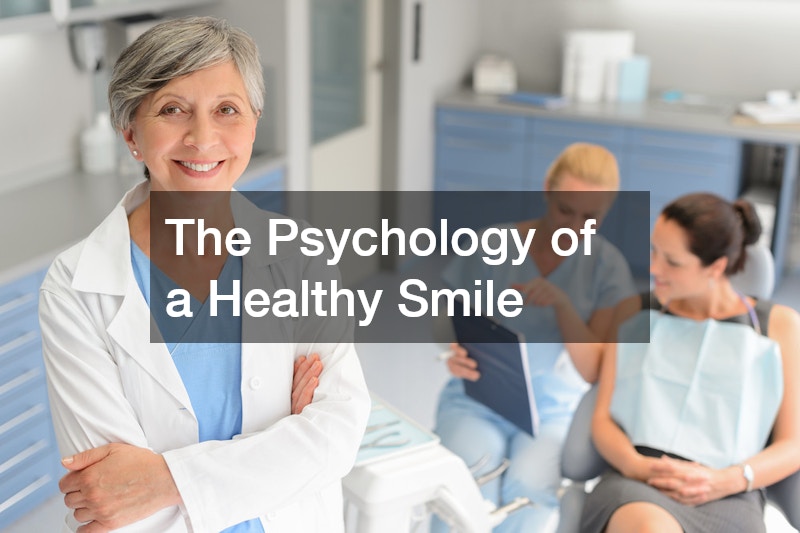
Beyond the clinical aspects of checkups and cleanings, there is a profound psychological component to the dental journey. Our smiles are one of the first things people notice about us; they are a primary tool for communication and emotional expression. When someone is ashamed of their teeth, they often “mask” their smile, covering their mouth when they laugh or avoiding social situations altogether. This “social withdrawal” can have a measurable impact on mental health and quality of life.
Investing in a healthy mouth is, therefore, an investment in social capital. When the mouth is free of pain, and the teeth are aligned and bright, individuals tend to be more outgoing and confident. This is true at every age, from the middle-schooler who finally gets their orthodontic appliances removed to the retiree who can finally eat their favorite foods again thanks to modern restorations. The goal of a lifetime of care is to ensure that your smile never becomes a barrier to your happiness.
Moreover, the “peace of mind” that comes from knowing you are healthy cannot be undervalued. Dental pain is uniquely debilitating, often radiating through the head and neck and making it impossible to focus on work or family. By following a consistent path of care, you largely eliminate the “fear of the unknown” that keeps so many people away from the clinical chair.
Securing Your Legacy of Oral Wellness
The journey toward a healthy mouth is a lifelong narrative, written in the daily choices we make at the bathroom sink and the professional partnerships we form in the clinical chair. From the very first “peg” tooth of infancy to the sophisticated restorations of our later years, our oral health requirements are constantly evolving. By understanding the specific needs of each life stage—and being prepared for the occasional detour or emergency—we can ensure that our smiles remain a source of strength and pride.
Your mouth is a vital part of your body’s story; make sure it is a story of health, resilience, and confidence. Whether you are just beginning this journey with a young child or looking to restore your own smile to its former glory, the path forward is paved with education, prevention, and the right professional support.