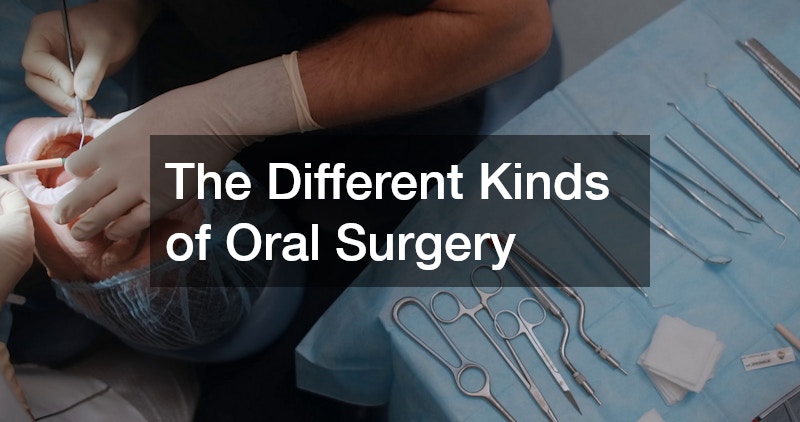

Oral surgery is a specialized field of dentistry focused on diagnosing and surgically treating conditions affecting the mouth, teeth, jaws, and surrounding facial structures. While many people associate it primarily with tooth extractions, oral surgery covers a much broader range of procedures. These treatments can address functional concerns, relieve pain, improve oral health, and even enhance facial harmony.
Oral surgeons complete advanced training beyond dental school, equipping them to manage complex surgical cases. From impacted wisdom teeth to corrective jaw procedures, oral surgery plays an essential role in both restorative and preventive dental care.
Tooth Extractions
Wisdom Teeth Removal
One of the most common forms of oral surgery is the removal of wisdom teeth. These third molars often lack sufficient space to emerge properly, leading to impaction. Impacted wisdom teeth can cause swelling, infection, jaw pain, and damage to adjacent teeth.
When wisdom teeth are trapped beneath the gums or bone, a surgical approach is necessary. The oral surgeon carefully creates an opening in the gum tissue and, if needed, removes small amounts of bone to access the tooth. Extracting problematic wisdom teeth can prevent future complications and protect overall oral health.
Surgical Tooth Extractions
Not all extractions are straightforward. Teeth that are severely broken, decayed below the gum line, or firmly anchored in bone may require surgical removal. In these cases, oral surgery ensures the tooth is removed safely and completely, reducing the risk of infection or retained fragments.
Surgical extractions are often recommended when a simple pull would cause unnecessary trauma to surrounding tissues. The procedure allows for precise removal and smoother healing.
Dental Implants
Implant Placement
Dental implants are a long-term solution for missing teeth, and their placement is a specialized form of oral surgery. An implant consists of a titanium post that is surgically inserted into the jawbone to act as an artificial tooth root. Over time, the implant fuses with the bone in a process called osseointegration.
Once healing is complete, a crown, bridge, or denture can be attached to the implant, restoring both function and appearance. Implant surgery requires careful planning, including imaging and evaluation of bone density, to ensure optimal results.
Bone Grafting
In some cases, patients lack sufficient bone to support an implant. Bone grafting is a procedure that rebuilds or strengthens the jawbone. This type of oral surgery may involve using bone from another area of the body, donor material, or synthetic substitutes.
Bone grafting creates a stable foundation for future implants and can also restore facial contours that may have diminished due to tooth loss.
Corrective Jaw Surgery
Orthognathic Surgery
Orthognathic surgery corrects irregularities of the jaw bones. When the upper and lower jaws do not align properly, it can lead to difficulty chewing, speaking, and even breathing. This advanced form of oral surgery repositions the jaws to improve function and balance.
Patients with severe overbites, underbites, or facial asymmetry may benefit from this procedure. Orthognathic surgery is often performed in coordination with orthodontic treatment to achieve long-term stability and improved oral health.
Treatment for Jaw Disorders
Temporomandibular joint disorders can cause chronic pain, headaches, and restricted jaw movement. In some cases, non-surgical therapies are not sufficient, and oral surgery may be recommended to repair or reposition components of the joint.
Surgical intervention can alleviate persistent discomfort and restore proper jaw function when conservative methods have not provided relief.
Treatment of Oral Pathology
Biopsies and Lesion Removal
Abnormal growths, cysts, or suspicious lesions in the mouth may require surgical evaluation. Oral surgery allows for the removal and biopsy of these tissues to determine whether they are benign or malignant.
Early detection and treatment are crucial when it comes to oral cancer or other serious conditions. Removing problematic tissue promptly can significantly improve outcomes and protect surrounding structures.
Cyst and Tumor Management
Cysts can develop in the jawbone or soft tissues and may cause swelling, infection, or displacement of teeth. Oral surgery is often necessary to remove these growths completely and prevent recurrence.
While many cysts and tumors are noncancerous, they can still cause structural damage if left untreated. Surgical removal helps preserve the integrity of the jaw and maintain overall oral health.
Periodontal and Soft Tissue Procedures
Gum Grafting
Receding gums can expose tooth roots, leading to sensitivity and an increased risk of decay. Gum grafting is a type of oral surgery that restores lost tissue and protects vulnerable areas.
During the procedure, tissue is taken from another area of the mouth or from a donor source and carefully placed over the exposed roots. This not only improves comfort but also enhances the appearance of the smile.
Frenectomy
A frenectomy involves removing or reshaping a small fold of tissue called a frenum. In some individuals, an overly tight frenum can cause issues such as gaps between teeth, speech difficulties, or gum recession.
Oral surgery can correct these concerns with a relatively simple procedure, often improving both function and aesthetics.
Facial Trauma and Emergency Procedures
Repair of Facial Injuries
Accidents and sports injuries can result in fractured jaws, knocked-out teeth, or damaged facial bones. Oral surgery is frequently required to repair these injuries and restore normal function.
Treatment may involve repositioning fractured bone segments, stabilizing them with plates or screws, and addressing damaged teeth. Prompt surgical care helps minimize long-term complications.
Management of Infections
Severe dental infections can spread beyond the tooth and affect surrounding tissues. When an abscess does not respond to standard treatment, oral surgery may be needed to drain the infection and remove the source.
Addressing infections quickly prevents them from spreading to other areas of the face or body and protects overall health.
Restoring Health and Function
Oral surgery encompasses a wide range of procedures designed to treat complex dental and facial conditions. Whether removing impacted teeth, placing implants, correcting jaw alignment, or treating oral disease, these surgical interventions play a vital role in maintaining comfort, function, and confidence.
By addressing issues that cannot be resolved through routine dental care alone, oral surgery helps patients achieve healthier smiles and improved quality of life.


Post navigation
Previous Post
 How Oral Health Can Impact Overall Wellness