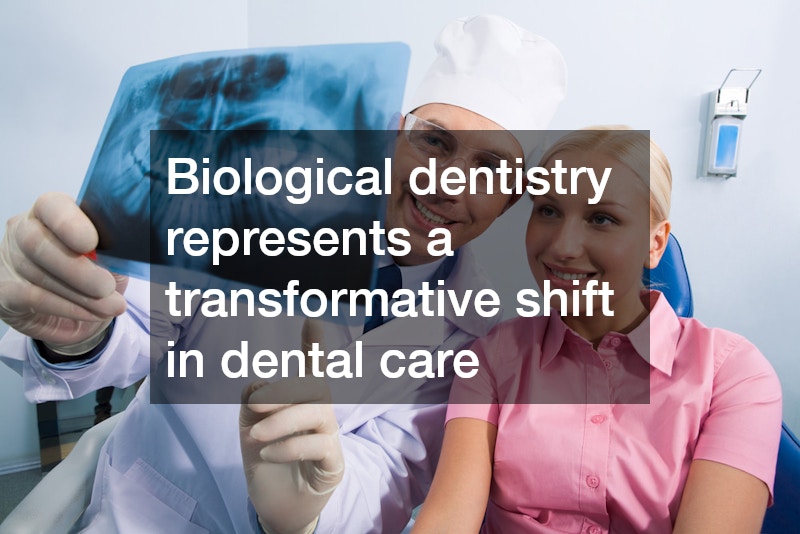

Biological dentistry represents a transformative shift in dental care, bridging the gap between oral health and overall well-being. Unlike conventional dentistry, which often focuses solely on treating symptoms within the mouth, biological dentistry considers the interconnectedness of the body’s systems.
This holistic approach paves the way for treatments that harmonize with the body’s natural processes, ultimately enhancing patients’ overall health. As awareness of holistic health grows, many patients are turning towards biological dentistry for comprehensive care that supports their lifestyle. This article delves into the nuances of biological dentistry and how it stands apart from traditional practices.
1. What is Biological Dentistry?
1.1 Emphasis on Holistic Health
Biological dentistry is rooted in the belief that oral health is intrinsically linked to the health of the entire body. Practitioners in this field evaluate the potential impact of dental procedures on bodily functions, striving to eliminate treatments that could disrupt this balance. This approach advocates for non-toxic, integrative therapies that support the body’s natural healing mechanisms. By considering the overall health history and lifestyle of a patient, biological dentists can tailor treatments that complement the body’s inherent healing abilities. The focus is not merely on treating dental issues but on promoting overall physical wellness.
Key to biological dentistry is the concept that every tooth is connected to specific organs and systems within the body. This extends the impact of oral health far beyond traditional dental care, indicating potential systemic effects of oral conditions. Biological dentists, therefore, perform thorough assessments to identify any underlying health issues that might be influencing oral health. This approach allows for treatments that tackle root causes rather than symptoms, facilitating more effective and lasting health improvements. It also opens up avenues for preventive care that anticipates potential health challenges linked to oral conditions.
Furthermore, biological dentistry incorporates advances in biomimetic principles, aiming to mirror natural conditions as closely as possible in dental treatments. Treatments such as using ceramic materials for teeth restoration aim to mimic the natural appearance and functionality of teeth. By embracing these principles, biological dentists can ensure that dental materials and techniques do not interfere with the body’s natural processes. This careful selection and use of biomimetic materials make the whole dental experience more harmonious and conducive to health. The advancements in material science enable biological dentistry to restore dental functionality in a non-invasive and natural manner.
2. How Does Biological Dentistry Differ from Traditional Dentistry?
2.1 Use of Biocompatible Materials
One of the primary distinctions of biological dentistry is the insistence on biocompatible materials in dental procedures. These materials are chosen not only for their durability and effectiveness but also for their ability to integrate seamlessly with the body’s biological environment. By minimizing the risk of allergies and toxic reactions, biological dentistry protects patients from adverse health effects linked to certain conventional dental materials. This not only reduces potential health risks but also contributes to more dependable and satisfactory outcomes over the long term. In addition, these materials support ongoing health by not disrupting the body’s natural functions.
For instance, mercury amalgam fillings, long utilized in conventional dentistry, pose potential health risks due to their mercury content. Biological dentistry offers safer alternatives, such as composite resins or other mercury-free materials, reducing the adverse impact on health. This switch highlights the comprehensive approach of biological dentistry that considers the chronic effects of dental materials on the body. Adopting biocompatible materials aligns dental care with overall health, ensuring treatments support, rather than compromise, systemic health. The commitment to non-toxic options underlines a fundamental principle of biological dentistry: doing no harm and enhancing natural health.
Moreover, biological dentists are trained to acknowledge and mitigate the broader implications of dental treatments. They emphasize non-invasive techniques, reducing the likelihood of complications that could arise from traditional procedures. Understanding the significance of body chemistry and immune system responses guides the choice of materials and methods. This careful treatment planning utilizes minimally invasive techniques that preserve as much of the natural tooth structure as possible. An approach centered around health and compatibility in turn makes for safer procedures and better long-term oral health outcomes.
3. What are the Most Common Treatments in Biological Dentistry?
3.1 Non-Toxic Approaches to Dental Care
Biological dentistry prioritizes treatments that align with the body’s natural rhythms and avoid introducing toxins into the system. Among the most common procedures are preventative care strategies, which emphasize maintaining oral health through natural means. These can include implementing dietary guidelines that support oral and systemic health and the use of non-fluoride-based oral hygiene products. By focusing on prevention, biological dentists help diminish the need for more invasive procedures in the future, aligning with a health-conscious lifestyle. The integration of nutritional counseling alongside regular dental check-ups ensures patients receive comprehensive care.
Furthermore, detoxification strategies are often employed to assist the body’s natural ability to heal. These techniques can involve removing harmful metallic fillings or other materials and replacing them with safer alternatives. Biological dentists are skilled in safely executing these procedures without compromising the patient’s health. This proactive approach helps remove disturbances to bodily systems, facilitating optimal functioning and health recovery. Such measures emphasize the importance of maintaining purity within the oral environment to foster systemic health.
Laser and ozone therapies are among the advanced technologies that biological dentistry utilizes to treat infections without relying on traditional antibiotics. Laser therapy can effectively target areas of concern, promoting healing with minimal invasion, while ozone therapy offers disinfectant properties useful for treating a variety of dental issues. Employing these techniques reflects biological dentistry’s commitment to innovative, yet gentle, methods of care that support the body’s natural defenses. At the core of these treatments is the objective to enhance health without introducing elements that disrupt it. These therapies provide a non-toxic alternative to conventional methods, offering effective results without adverse health effects.
Biological dentistry offers a compelling alternative for those seeking to integrate their dental care with overall health and wellness. By focusing on the root causes of dental issues and selecting biocompatible, non-toxic materials, it safeguards against potential systemic impacts of dental treatments. As more people become aware of the links between oral and systemic health, the demand for biological dentistry is anticipated to grow. This forward-thinking approach respects the body’s natural healing abilities while providing effective and sustainable dental care solutions. Embracing biological dentistry may lead to healthier lifestyles, with care that supports both oral health and broader well-being.