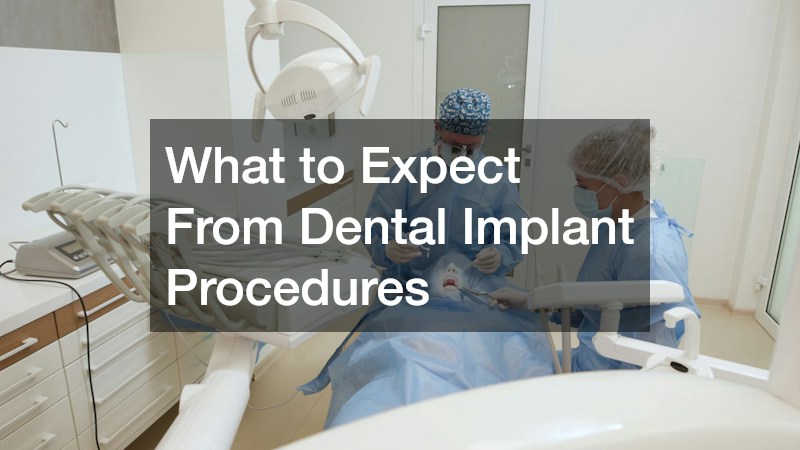

Dental implant procedures have revolutionized the field of dentistry, offering patients a durable and aesthetically pleasing solution for missing teeth. As dental technology advances, these procedures are becoming increasingly popular, not only for their functional benefits but also for their ability to enhance patients’ quality of life. Understanding what dental implants are, how the procedure is performed, and what to expect during recovery can help individuals make informed decisions about whether this treatment is right for them.
Understand the Benefits of Dental Implants
Dental implants are artificial tooth roots, typically made of titanium, which are surgically embedded into the jawbone to provide a stable foundation for replacement teeth. Unlike dentures or bridges, implants are a permanent solution that integrates with the jawbone, promoting bone health and preventing deterioration. This integration process, known as osseointegration, involves the bone growing around the implant, securing it firmly in place.
One of the key benefits of dental implants is their ability to function like natural teeth, allowing individuals to eat, speak, and smile with confidence. With proper care, dental implants can last a lifetime, which makes them a cost-effective option in the long run. While the initial cost may be higher than other dental solutions, the durability and low maintenance of implants often outweigh their upfront expense.
Additionally, dental implants help preserve facial structure, preventing the bone loss that typically occurs when teeth are missing. This can have a significant impact on a person’s appearance, contributing to a more youthful look. Moreover, implants eliminate the need to alter adjacent teeth, which is required in traditional bridgework, making them a healthier alternative overall.
Learn What to Expect During the Implant Procedure
The dental implant procedure typically involves several stages, beginning with a comprehensive dental evaluation and planning phase. During this stage, the dentist assesses the patient’s oral health, bone density, and overall suitability for implants using X-rays and 3D imaging. A personalized treatment plan is then devised, taking into account the number of implants needed and the condition of the patient’s jawbone.
Once the treatment plan is finalized, the surgical phase begins, during which the implant is placed into the jawbone under local anesthesia. Patients generally experience minimal discomfort during this part of the procedure, though some swelling and tenderness may occur afterward. The healing process, known as osseointegration, can take several months, during which the bone fuses with the implant, providing a stable base for the artificial teeth.
After osseointegration is complete, an abutment is attached to the implant, serving as the connector between the implant and the artificial tooth. The final stage involves placing the custom-made crown onto the abutment, completing the process and restoring function and appearance. It is important that patients follow their dentist’s instructions closely after the procedure to ensure optimal healing and the long-term success of the implant.
Follow Proper Aftercare for a Smooth Recovery
During the recovery period following a dental implant procedure, patients can typically resume normal activities relatively quickly, though a brief period of rest is advised. Swelling, bruising, and mild discomfort are common immediately after surgery, but these symptoms can be managed with prescribed or over-the-counter pain medication. Patients are often encouraged to stick to a diet of soft foods and avoid strenuous physical activities during the initial healing phase.
Good oral hygiene practices are essential during recovery to prevent infection and ensure successful integration of the implant. Brushing and flossing should be done gently around the surgical area, with the use of antiseptic mouthwash as recommended by the dentist. Regular follow-up appointments are crucial for monitoring the healing process and addressing any concerns that may arise.
In some cases, additional procedures such as bone grafts may be necessary to ensure adequate bone support for the implant. Patients should be aware that recovery times can vary, depending on individual health factors and the complexity of the procedure. However, with proper care and adherence to their dentist’s aftercare instructions, most patients experience a smooth recovery and are able to enjoy the full benefits of their new dental implants.
Dental implant procedures offer a reliable and effective solution for replacing missing teeth, with numerous benefits ranging from improved functionality to enhanced appearance. Understanding the procedure, from evaluation to recovery, can help individuals prepare for the process and set realistic expectations. With advances in dental technology, dental implants continue to provide patients with a long-lasting, natural-looking alternative to traditional dentures, allowing millions of people to enjoy the confidence of a complete smile once more.