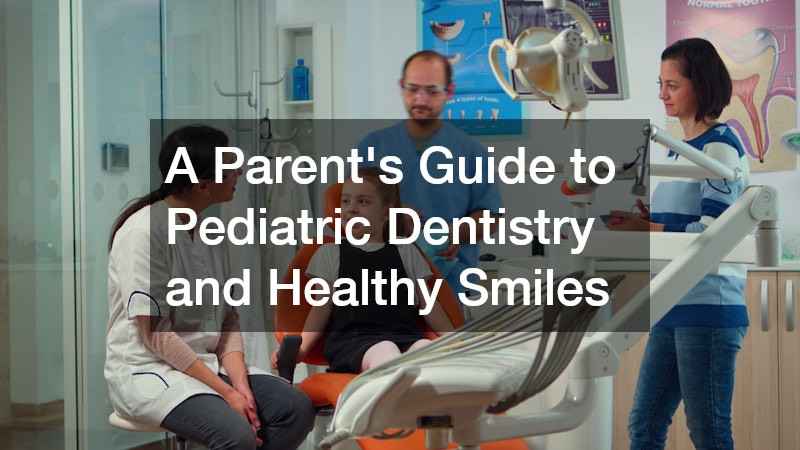

A Parent’s Guide to Pediatric Dentistry and Healthy Smiles
Helping your child develop a healthy smile starts long before all of their permanent teeth arrive. Early dental care can prevent discomfort, support proper development, and teach children habits they can carry into adulthood.
By understanding what to expect at each stage, parents can make dental visits feel more familiar and less intimidating.
Pediatric dentistry focuses on the oral health needs of infants, children, and teenagers. These needs change as baby teeth appear, permanent teeth develop, and children become more independent with brushing and flossing. Regular professional care, combined with consistent habits at home, can help protect teeth and gums through every stage of childhood.
Start Dental Care Early
A child’s first dental visit should happen early enough to identify concerns before they become painful or complicated. Many dentists recommend scheduling an appointment when the first tooth appears or around the child’s first birthday.
During an early visit, the dentist may examine the teeth and gums, check jaw development, and look for signs of decay. Parents can also receive guidance about teething, pacifier use, thumb-sucking, brushing techniques, and feeding habits.
These first appointments are usually simple and gentle. They allow the child to become familiar with the office while giving parents an opportunity to ask questions. Visiting before a problem occurs can also help prevent the child from associating dental care only with pain or emergencies.
Protect Baby Teeth
Baby teeth eventually fall out, but that doesn’t mean they’re unimportant. They help children chew food, speak clearly, and maintain space for permanent teeth. Decay or early tooth loss can affect comfort, nutrition, speech development, and the alignment of future teeth.
Parents should begin cleaning a baby’s gums with a soft, damp cloth before the first tooth appears. Once teeth begin erupting, use a small, soft-bristled toothbrush and the amount of fluoride toothpaste recommended by the child’s dentist.
Make Dental Visits Less Stressful
Children often take emotional cues from their parents. Speaking calmly and positively about the dentist can make appointments feel more manageable. Avoid sharing frightening stories or using dental treatment as a threat.
Before a visit, explain that the dentist will count and clean the child’s teeth. Keep the description simple instead of discussing needles, drilling, or pain. Children’s books and pretend dental checkups with a stuffed animal can also help make the experience feel familiar.
Try to schedule appointments when your child is usually rested and cooperative. Bring any necessary medical information and let the dental team know about sensory concerns, anxiety, previous experiences, or special healthcare needs.
If a child becomes nervous, the dental team may introduce tools gradually, explain each step using age-appropriate language, or complete only part of the visit. Building trust can take time, and a successful appointment doesn’t always mean completing every planned procedure.
Watch for Common Childhood Dental Problems
Cavities are one of the most common oral health concerns in children. They can develop when bacteria interact with sugars and produce acids that weaken tooth enamel. Frequent snacking or sipping sweetened drinks exposes the teeth to repeated acid attacks throughout the day.
Children who participate in sports may also benefit from a properly fitted mouthguard. A mouthguard can help protect the teeth, lips, cheeks, and jaw from injuries during physical activity.
Support Healthy Eating Habits
Nutrition affects oral health as well as overall development. Water, vegetables, fruits, dairy products, proteins, and whole grains can support strong teeth and gums. Sticky candies, sugary drinks, and frequent processed snacks should be limited.
The frequency of sugar exposure matters, not only the total amount. Eating a dessert with a meal is generally less harmful than repeatedly snacking on sweets throughout the day. Encourage children to drink water after eating, especially when brushing isn’t immediately possible.
Parents should also watch for hidden sugars in flavored milk, juice drinks, sports beverages, gummy snacks, and sweetened yogurt. Reading nutrition labels can make it easier to choose options that support a healthier smile.
Build Habits That Last
Healthy smiles are built through small actions repeated consistently. Brush and floss together as a family, keep regular dental appointments, and praise children for taking care of their teeth. Parents can also set a strong example by maintaining their own oral hygiene and attending routine checkups.
Dental care should be approached as a normal part of staying healthy rather than something reserved for emergencies. With early professional support, balanced nutrition, positive experiences, and dependable routines at home, children can develop the skills and confidence they need to protect their smiles for life.